Truthout is a vital news source and a living history of political struggle. If you think our work is valuable, support us with a donation of any size.
The Federal Reserve is preparing to adjust how it measures inflation in three areas of consumer purchases this fall, a move that will cause the numbers to appear to drop slightly.
While many economists say the changes are necessary to reflect the true costs of these items, the move comes at a time when trust in federal data from the Trump administration is low.
The Bureau of Economic Analysis (BEA) said the changes will affect the examination of prices in three categories: portfolio management and investment advice services; legal services; and computer software and accessories. Overall, the adjustments, which will be implemented starting in the fall, are expected to reduce inflation numbers by 0.2 percent.
Some commentators have been critical of the timing of the changes, noting that the new calculations will likely be met with skepticism from the public.
“Given the growing mistrust around official data, we urge the BEA to act with more transparency around timing, weights, and historical revisions,” said Vikas Patel, program manager at Employ America, a liberal think tank.
Indeed, President Donald Trump has given reason to question any changes when it comes to economics, as the BEA changes will come almost exactly a year after he fired the former head of the Bureau of Labor Statistics (BLS) because he was unhappy with what he considered to be bad jobs reports.
Even if the inflation numbers in future reports present a slightly better image of the economy for the Trump administration, Americans are increasingly frustrated over the current effects of higher prices for consumer goods, new data has shown.
According to a Harris Poll published this week, 57 percent of Americans feel the economy is getting worse, up from 46 percent when the survey asked the same question in February. Half of Americans say they struggle to pay for groceries (51 percent) and gasoline (52 percent).
Additionally, the poll found that 45 percent of Americans are struggling with making their housing payments, while 46 percent say they’re having trouble making payments for their utilities.
An Economist/YouGov poll published on Tuesday showed similarly concerning figures. In that survey, 25 percent of Americans described the economy as either “excellent” or “good.” Another 29 percent said the state of the economy is “fair,” while 44 percent said that it is “poor.”
In separate questions, 58 percent of Americans said their day-to-day economic situation is getting worse, versus just 8 percent who say it’s gotten better. Eighty-eight percent of Americans say they’ve noticed food prices have gone up over the last 12 months.
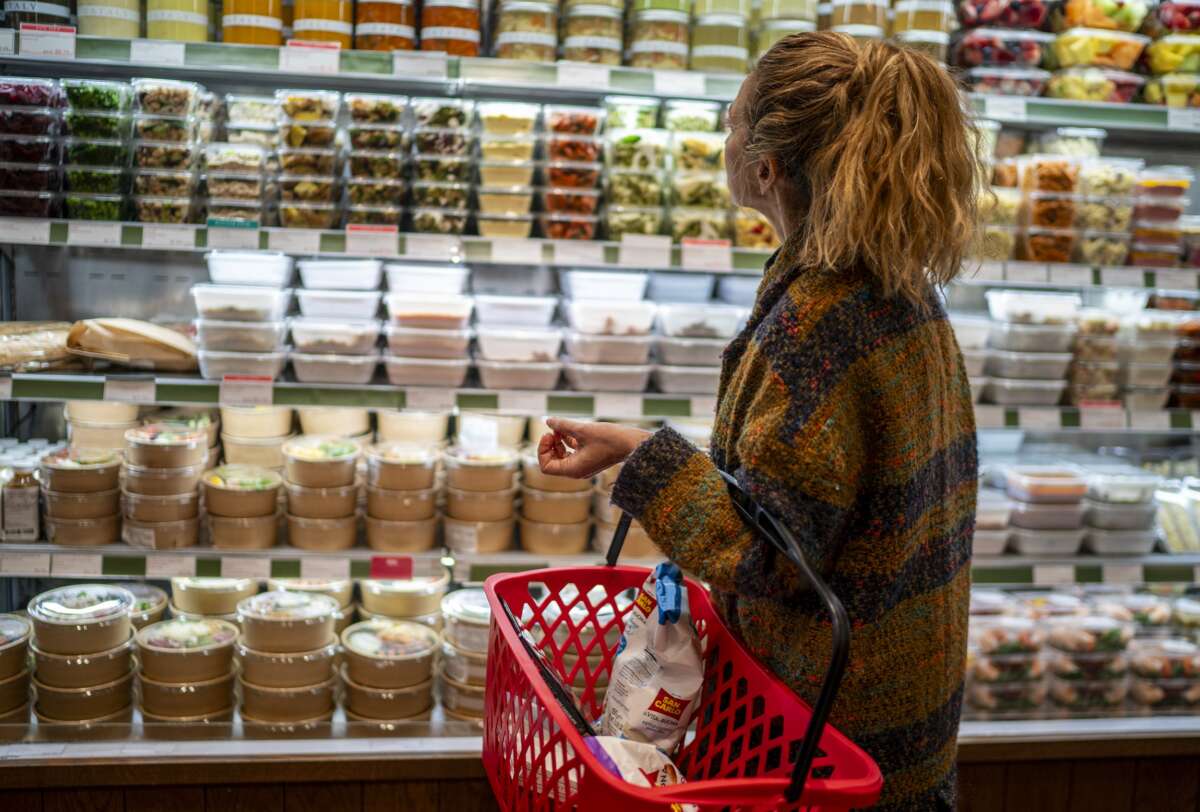
In June, the federal government’s Consumer Price Index (CPI) indicated that inflation went up 4.2 percent over the past year, the highest increase seen in over three years. Several staple grocery store items were up significantly more than that figure, with fruits and vegetables up 6.7 percent, coffee up 17.5 percent, and beef costs up 12.9 percent.
As consumer costs have gone up, Trump has shown a disconnect with Americans’ concerns, making several bewildering comments about the state of the economy, including:
- Appearing confused at times about the term “groceries,” repeatedly referring to it as “an old-fashioned” word;
- Bemoaning concerns on affordability, calling the term a political “hoax” against him;
- And, with this most recent inflation report, indicating that he’s happy about the rising rates.
Asked by a reporter if he was concerned about the CPI report, Trump indicated that he loved what he had seen.
“No, I love it. The numbers were great. I love the inflation,” Trump said.
An urgent fundraising appeal: We have until midnight to raise $17,000
Donations are down for Truthout at a time when media is under immense pressure. Google’s AI search has driven our traffic down by 15 percent, Trump is arresting journalists, and many independent media organizations face heartbreaking cutbacks and closures.
At the same time, movement media is vital in the fight against Trump’s authoritarian reign. Our mandate to tell the truth, share strategies for resistance, and speak against fascism is ever more urgent in this deluge of political censorship and misinformation. Yet, we are struggling to meet our publishing costs when our work is so urgently needed.
We are fundraising right now for those basic operating expenses — we must raise $17,000 before midnight. If you can support Truthout with a one-time or monthly donation, you will make a significant impact on our work. Anything you can do makes a difference.