Truthout is a vital news source and a living history of political struggle. If you think our work is valuable, support us with a donation of any size.
An analysis released this week by the Federal Reserve Bank of New York shows that food insecurity in the US has reached levels not seen since the height of the coronavirus pandemic, underscoring the devastating impact of Republican cuts to federal nutrition assistance and President Donald Trump’s inflationary economic and foreign policy decisions.
In a blog post, New York Fed researchers detailed their findings of “a remarkable increase in food insecurity, particularly among lower-educated and lower-income households and households with young children,” as well as “a contemporaneous increase in pessimism among the same groups, along with a sharp decline in job-finding expectations.”
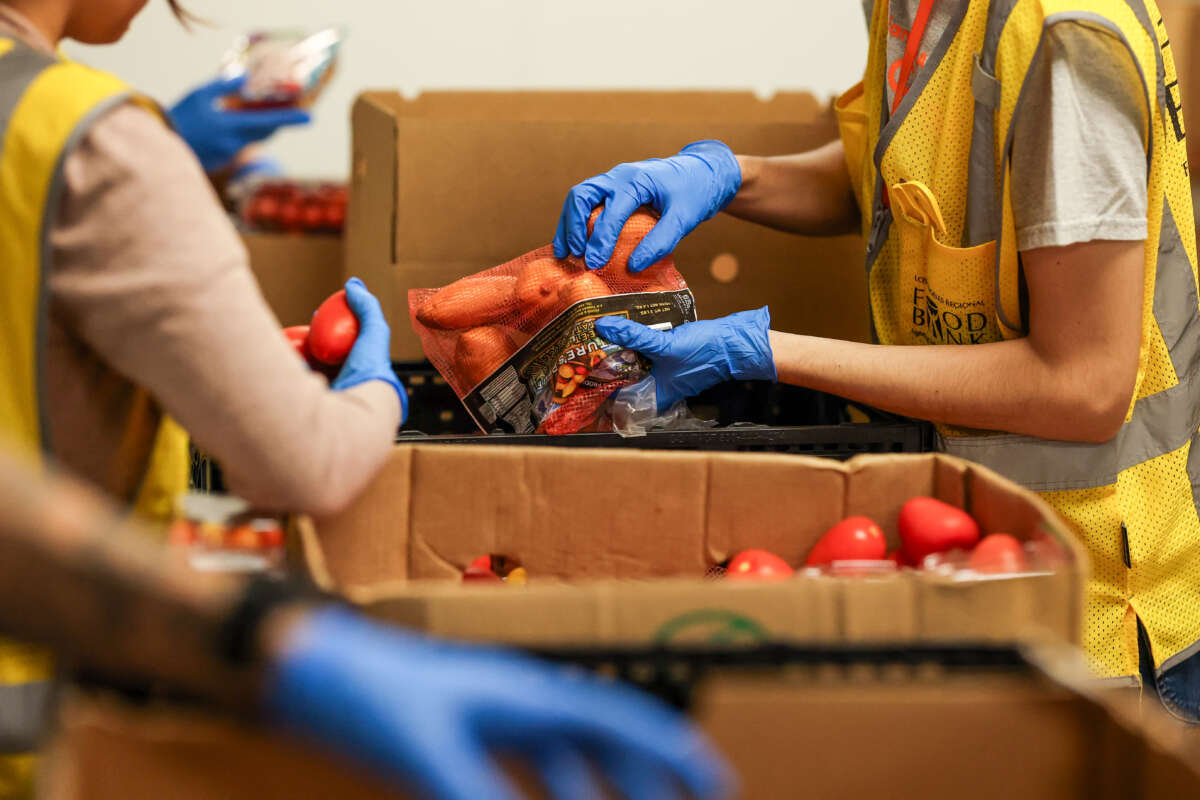
The researchers cited new data showing increases in the percentage of Americans who reported receiving food donations and skipping meals in recent months, as prices for basic necessities rose. Cuts to the Supplemental Nutrition Assistance Program (SNAP) that Trump and congressional Republicans enacted last summer are also having an impact, stripping food aid from hundreds of thousands of low-income children and millions of people overall.
Among those who reported skipping meals and relying on food banks, “there is a lower, and more rapidly declining, net share of respondents expecting to be better versus worse off financially a year from now,” despite some topline figures indicating a relatively strong economy (such as a low unemployment rate), the researchers observed.
“This means that an increase in the incidence of food insecurity is associated with a deterioration in consumer sentiment,” they added.
The New York Fed’s analysis came amid a flurry of new data showing that rising inflation — now at a three-year high — is eroding Americans’ paychecks and causing personal savings rates to plummet as households are forced to spend more on gas, food, and other basics.
Following the release of new federal data on Thursday, the nonprofit research group Equitable Growth pointed to “an important milestone: Household incomes are now down year-over-year. American households had more money to spend in April of 2025.”
“Although income is down for all households this month, it is falling faster for the bottom 50% households, who have seen their income fall by 1.6% compared to April of last year,” noted Equitable Growth visiting fellow Austin Clemens. “This group’s income has fallen in five of the last six months.”
An important fundraising appeal: We fell short of our goal
Thank you for reading Truthout today. We have a brief message before you go.
Unfortunately, donations are down for Truthout at a time when media faces immense pressure. Yet, grassroots media is vital in the fight against Trump’s authoritarian reign. Our mandate to tell the truth, share strategies for resistance, and speak against fascism grows more urgent each day. We must appeal for your support.
If you can support Truthout with a one-time or monthly donation, you will make a significant impact on our work. Please give today.