Did you know that Truthout is a nonprofit and independently funded by readers like you? If you value what we do, please support our work with a donation.
The Centers for Disease Control and Prevention (CDC) announced on Monday that it is reducing the number of vaccinations it is recommending for young children, immediately dropping the number of diseases and ailments covered by the vaccine regimen from 17 to 11.
States are technically the authority on what vaccines children should or are required to get when they are born and in the years beyond. But the CDC recommendation is very influential in what vaccines officials end up choosing.
The CDC will continue to recommend a number of shots for children, including those that cover measles, polio, and whooping cough. But vaccines to prevent six diseases or illnesses — including hepatitis A, hepatitis B, meningococcal disease, rotavirus, influenza and respiratory syncytial virus (RSV) — will no longer be recommended by the CDC to be administered for children, or will only be recommended for high-risk groups and after consultation with health care providers.
The new directive also alters the number of vaccine doses recommended to prevent human papillomavirus (HPV), a virus that can cause cancer later in life, going from two or three doses down to just one instead.
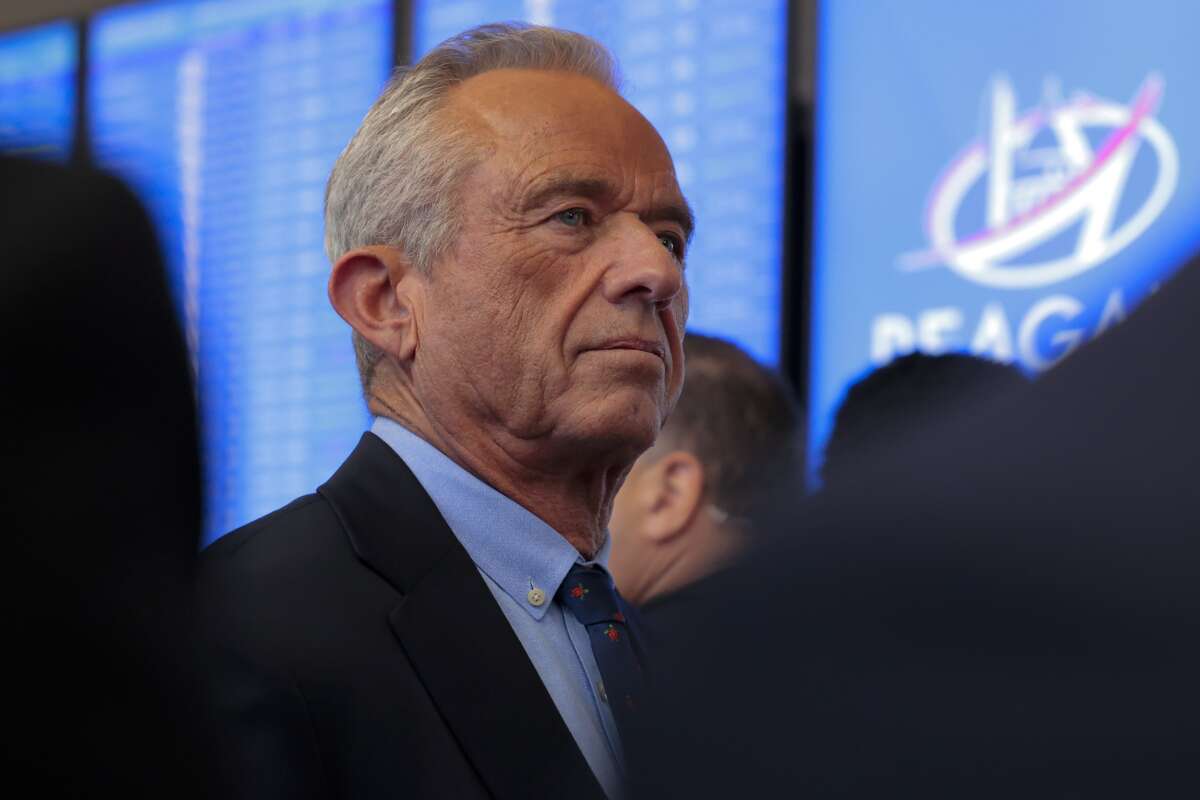
The CDC said the new guidance was meant to be more aligned with what other European nations, such as Denmark, have concluded for their own populations are necessary for childhood vaccines. Health and Human Services Secretary Robert F. Kennedy Jr., a noted anti-vaccine conspiracy theorist who has packed the vaccine advisory committee within the CDC with individuals who espouse similar viewpoints, heralded the changes.
“This decision protects children, respects families, and rebuilds trust in public health,” Kennedy said in a statement.
But even health experts from Denmark said the move was foolhardy, as it wasn’t based on evidence. The CDC’s previous standards were made based on decades of epidemiological research on the U.S. population, whereas Denmark’s officials are making recommendations tailored to their population’s needs and culture.
“Personally, I do not think this makes sense scientifically,” said Anders Hviid, an official in Denmark’s Statens Serum Institute, speaking to The Washington Post about the CDC’s changes. “Public health is not one size fits all. It’s population-specific and dynamic. Denmark and the U.S. are two very different countries.”
The alterations could have dire consequences.
“The abrupt change to the entire U.S. childhood vaccine schedule is alarming, unnecessary, and will endanger the health of children in the United States,” said Helen Chu, an immunologist at the University of Washington in Seattle and a former CDC vaccine recommendations panel member.
The introduction of new RSV vaccines for infants, for example, saw rates for the virus drop by half last year, one study found, a significant improvement for an ailment that is the leading cause of hospitalization for children under the age of 3. Studies examining the effect of the rotavirus vaccine have also shown that, when those vaccines debuted from 2006 to 2012 , hospitalization rates for children in the U.S. for that ailment dropped by 94 percent.
It’s also likely that the decision to change the vaccine schedule was based, at least in part, on false premises. The Trump administration has disputed the need for infants to obtain hepatitis B vaccines, for instance, claiming that the virus is mostly transmitted through sexual contact, and thus the vaccine could be delayed. However, hepatitis B is also spread through blood and saliva, and transmission can occur at daycare centers or other places where infants or children interact. Researchers estimate that even a small delay in administering the vaccine will likely result in higher rates of infection in infants.
Medical experts and organizations blasted the federal government’s decision to change the recommended vaccine schedule for children.
“Upending the childhood vaccine schedule leaves American children at much greater risk of contracting hepatitis, rotavirus, and other preventable infections,” said former CDC director Tom Frieden. “This is a giant step backward that jeopardizes children’s health and safety.”
“Abandoning recommendations for vaccines that prevent influenza, hepatitis and rotavirus, and changing the recommendation for HPV without a public process to weigh the risks and benefits, will lead to more hospitalizations and preventable deaths among American children,” said Michael Osterholm of the Vaccine Integrity Project.
The American Academy of Pediatrics (AAP) released a statement decrying the changes, writing that:
For decades, leading health experts, immunologists, and pediatricians have carefully reviewed new data and evidence as part of the immunization recommendation process, helping to keep newborns, infants, and children protected from diseases they could be exposed to in the United States as they develop and grow. Today’s decision, which was based on a brief review of other countries’ practices, upends this deliberate scientific process.
Issuing his own comments on the matter, Sean O’Leary, chair of the infectious disease committee at the AAP, stated that it is “becoming increasingly clear that we can no longer trust the leadership of our federal government for credible information about vaccines, and that’s a tragedy that will cause needless suffering.”
The American Medical Association (AMA) also condemned the CDC’s changes, stating that the organization is “deeply concerned by recent changes to the childhood immunization schedule that affects the health and safety of millions of children.”
“The scientific evidence remains unchanged, and the AMA supports continued access to childhood immunizations recommended by national medical specialty societies,” the group added.
A terrifying moment. We appeal for your support.
In the last weeks, we have witnessed an authoritarian assault on communities in Minnesota and across the nation.
The need for truthful, grassroots reporting is urgent at this cataclysmic historical moment. Yet, Trump-aligned billionaires and other allies have taken over many legacy media outlets — the culmination of a decades-long campaign to place control of the narrative into the hands of the political right.
We refuse to let Trump’s blatant propaganda machine go unchecked. Untethered to corporate ownership or advertisers, Truthout remains fearless in our reporting and our determination to use journalism as a tool for justice.
But we need your help just to fund our basic expenses. Over 80 percent of Truthout’s funding comes from small individual donations from our community of readers, and over a third of our total budget is supported by recurring monthly donors.
Truthout’s fundraiser ended last night, and we fell just short of our goal. But your support still matters immensely. Whether you can make a small monthly donation or a larger one-time gift, Truthout only works with your help.