Honest, paywall-free news is rare. Please support our boldly independent journalism with a donation of any size.
Maryland Senator Ben Cardin introduced on Tuesday the Democracy Restoration Act (or DRA), which would restore federal voting rights to Americans who are not in prison but are nevertheless denied the right to vote because of prior criminal convictions. The Senate bill follows the historic passage of the For the People Act in the House of Representatives last month, which included a similar provision to restore voting rights.
“We are in a moment where Americans are demanding free, fair, and accessible elections,” the Brennan Center’s Myrna Pérez said at a Capitol Hill briefing marking the introduction of the bill. “We are in a moment where folks on both sides of the aisle can see that our criminal justice system is broken. And we are in a moment where people’s desire for progress and growth is palpable.”
Currently, only 14 states and the District of Columbia automatically restore voting rights upon release from prison (Maine and Vermont have no criminal disenfranchisement laws). Among the remaining states, a confusing patchwork of laws restricts the right to vote based on type of conviction, parole or probation status, or payment of legal financial obligations. Confusion and misinformation about these complicated provisions can lead to de facto disenfranchisement. The DRA seeks to simplify these policies, ensuring that any American who is living in the community has the right to vote in federal elections. The bill also provides notice to Americans with past convictions about their right to vote in federal elections.
The policy of criminal disenfranchisement is a relic of Jim Crow-era efforts to disenfranchise black Americans. Research shows that black citizens are disenfranchised at roughly four times the rate of all other Americans. Moreover, there is no criminal justice rationale for disenfranchising people after they have been released from prison. In fact, leading law enforcement organizations see voting rights as a pillar of successful reentry, as it encourages full reintegration into the community.
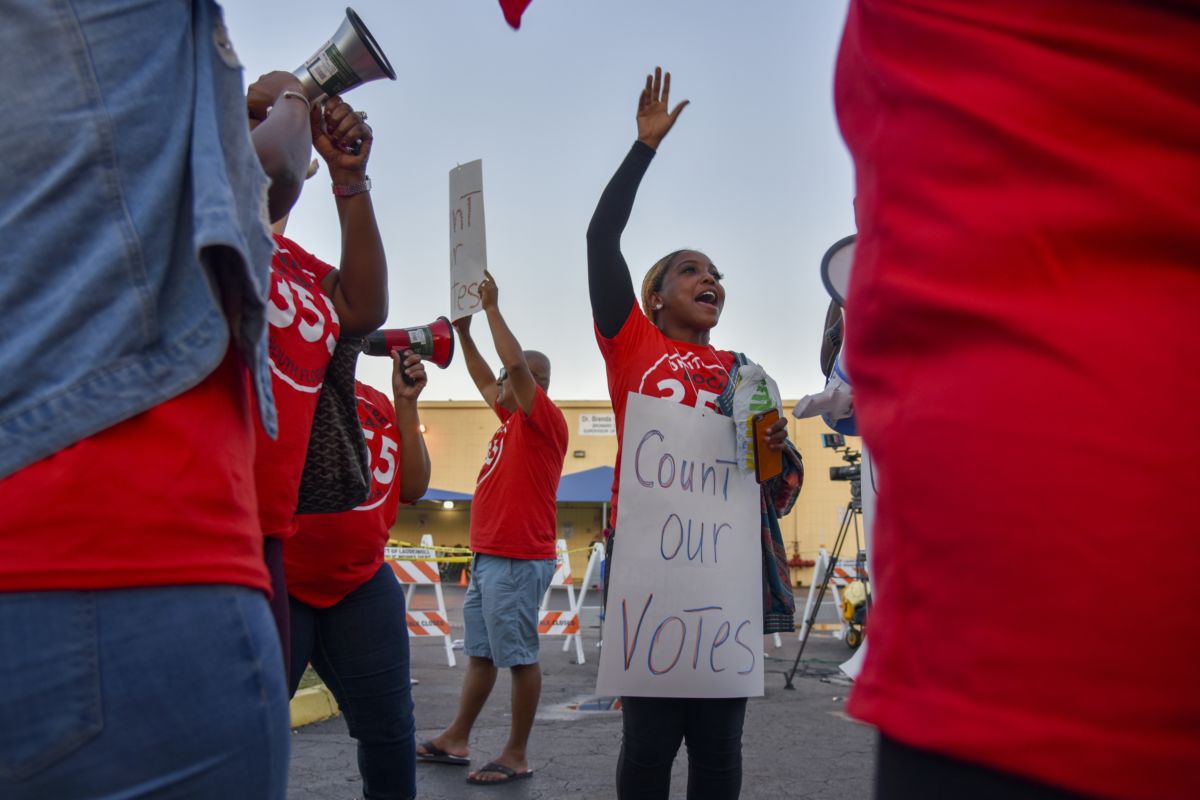
The DRA has been introduced in Congress several times since 2008. But the introduction of the legislation in the House and Senate this year comes as national momentum supporting voting rights has grown. In November 2018, almost two-thirds of voters in Florida approved a constitutional amendment automatically restoring the right to vote to 1.4 million citizens with felony convictions. Earlier this year, Republican Governor Kim Reynolds of Iowa announced her support for rights restoration and then streamlined the restoration process. And a January poll in Kentucky found significant support for re-enfranchising people with prior felony convictions.
This week, Senator Cardin tweeted: “Casting a vote is one of the most fundamental rights in a democracy and gives you a say in the future of your community. Congress has a responsibility to ensure that right is protected.” Advocates, lawmakers, and everyday citizens across the country have shown that they agree.
An urgent fundraising appeal: We fell short of our goal
Thank you for reading Truthout today. We have a brief message before you go —
Unfortunately, donations are down for Truthout at a time when media is under immense pressure. Trump is arresting journalists, Big Tech is censoring independent news, and economic conditions for media have been worsening for years.
Simultaneously, movement media is vital in the fight against Trump’s authoritarian reign. Our mandate to tell the truth, share strategies for resistance, and speak against fascism is ever more urgent in this deluge of political censorship. Yet, we are struggling to meet our publishing costs when our work is so urgently needed.
If you can support Truthout with a one-time or monthly donation, you will make a significant impact on our work. Please give today.