Truthout
Latin America

Venezuelan Capital Sees Rise in Violent Street Bands Following Opposition Withdrawal From Peace Talks
Street violence has rekindled following a press conference held by the the opposition coalition, and announcing their withdrawal from talks initiated by the government of President Nicolas Maduro.
|
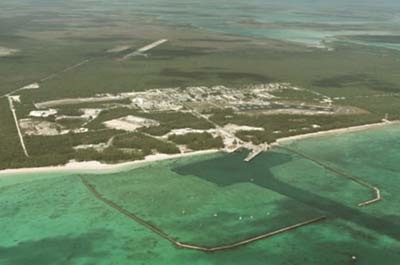
Geosecurity 101: Washington and Moscow’s Military Bases in Latin America
The closure of a radar base in Antigua and Barbuda has largely gone unnoticed in Washington. Nevertheless, it could be a sign of things to come in the near …

|
Ecuador’s Digital Agenda: Bridging the Digital Divide and Laying the Foundations for a Knowledge Economy
Certain sectors of the Ecuadoran government would like to become less dependent on natural resource extraction and instead create a digital- and knowledge-based economy.

The Politics of Pachamama: Natural Resource Extraction vs. Indigenous Rights and the Environment in Latin America
The environmental and social costs of extraction are still present, but with a different economic vision.
|
Ecuador: Despite All Odds, Activists Present Signatures Needed to Save Yasuní
Activists struggle to save Yasuni, one of the most biodiverse regions in the world.

|
El Salvador’s Election: Not Like the Old Days
The election of the FMLN's Salvador Su00e1nchez Ceru00e9n to El Salvador's presidency in a clean election with a minimum of outside interference represents a victory in itself.
“He Gave Us Back Our History”: Isabel Allende on Gabriel Garcia Marquez
In this interview, Chilean novelist Isabel Allende remembers the life and legacy of late writer Gabriel Garcia Marquez.
Gabriel Garcia Marquez in His Own Words on Writing “100 Years of Solitude”
Colombian author Gabriel Garcia Marquez passed away Thursday in Mexico at the age of 87.
From Exile to Radicalization in Venezuela
Edgardo Lander tells Paul Jay that in '98, when he saw the whole of the establishment getting together to defeat Chavez, he voted for him even though he had …

A Vote for Change: Costa Rica Votes in a New President
Costa Rica's 2014 elections were essentially a litmus test for public opinion on the neoliberal policies promoted by CAFTA, the IMF and World Bank, with public opinion overwhelmingly opposed …