Truthout is an indispensable resource for activists, movement leaders and workers everywhere. Please make this work possible with a quick donation.
The Secret Service deleted text messages from January 5 and January 6, 2021, according to a letter from the agency’s inspector general that was sent to the House select committee investigating the attack on the U.S. Capitol building.
The texts were deleted shortly after oversight officials from the Department of Homeland Security, the parent agency of the Secret Service, requested to review the agency’s electronic communications. Although the Secret Service claims that the erasures happened by accident due to a device replacement program, the timing of the text deletions has raised suspicions.
“I’m not buying it,” wrote former federal prosecutor Joyce Alene.
The deleted texts were first reported on by The Intercept, which noted that the texts could have provided critical insight into the agency’s actions that day — including why, for instance, agents wanted to remove then-Vice President Mike Pence from the Capitol.
Pence’s departure from the building would have prevented him from taking part in the Electoral College certification process, potentially prolonging the process for days, depending on how far he would have been transported away. It’s likely that Pence was aware of this fact.
“I’m not getting in the car. If I get in that vehicle, you guys are taking off,” he reportedly said to Secret Service agents who insisted that he should leave.
“People need to understand that if Pence had listened to the Secret Service and fled the Capitol, this could have turned out a whole lot worse,” an anonymous congressional official told The Intercept. “It could’ve been a successful coup, not just an attempted one.”
Although the content of the deleted messages is unknown, it’s possible that the texts included information on this event.
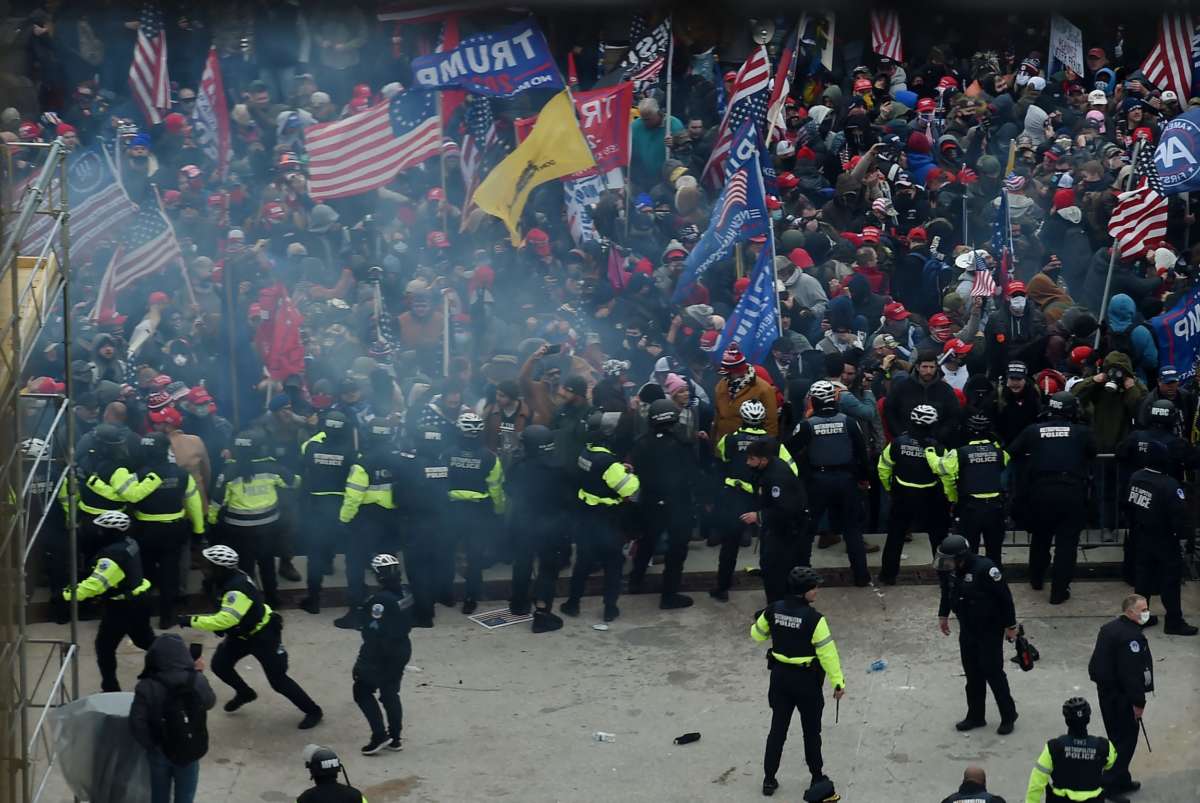
The missing messages could also provide insight into allegations from Cassidy Hutchinson, a former White House aide to former President Donald Trump, who claimed in public testimony to the January 6 committee this month that Trump was enraged when Secret Service agents told him that they wouldn’t take him to the Capitol as his loyalists were attacking the building. Hutchinson, citing conversations she had with Trump’s deputy chief of staff Tony Ornato (himself a Secret Service agent), said in her deposition that the former president had tried to grab the steering wheel away from the driver of his vehicle, and “lunged” at an agent when he refused to take him to the Capitol where the chaos was unfolding.
Trump has denied Hutchinson’s account of what happened and has tried to discredit her on his social media site Truth Social. A Washington D.C. police officer, however, has recently shared with the January 6 committee his own recollections of what transpired that day. According to a source with knowledge of what he said, the officer has confirmed many of Hutchinson’s claims.
Members of both houses of Congress are reportedly upset over the deletion of the messages. Sen. Gary Peters (D-Michigan), who chairs the Senate Homeland Security Committee, blasted the agency and the department that oversees it for failing to keep records of the texts.
“We need to get to the bottom of whether the Secret Service destroyed federal records or the Department of Homeland Security obstructed oversight,” Peters said in a statement. “The DHS Inspector General needs these records to do its independent oversight and the public deserves to have a full picture of what occurred on January 6th.”
25 Years of Truthout: An important fundraising appeal
This September, Truthout is celebrating 25 years of publication. For over two decades, we have been a trusted source for fiercely independent journalism thanks to readers like you.
Looking to the next 25 years, we launched a special fundraising campaign. We still need to raise $16,000.
We are asking for your support at this juncture because we face greater threats than ever before in our organizational history. Trump and his MAGA allies are determined to control the information ecosystem, and movement-based organizations are subject to dangerous censorship and scrutiny.
If you can support Truthout with a one-time or monthly donation, you will make a significant impact on our work and our legacy. Anything you can do makes a difference!