Truthout is a vital news source and a living history of political struggle. If you think our work is valuable, support us with a donation of any size.
During the difficulties of this recession, recent grads like me are facing a tough job market. Gen Z is already credited and criticized for its impact on the workplace. As I scroll through LinkedIn, I’m flooded with endless articles dubbing Gen Z as disruptive, challenging and demanding at work. And maybe for good reason: From preferring remote/hybrid work, to pushing for shorter work weeks and strong labor union support, Gen Z is poised to transform our society’s relationship to work.
Gen Zers are setting some interesting precedents in the workforce, leaving many employers confused. In reality, these fascinating trends are out of necessity, to cope with a grim economic future. Unlike our predecessors, the promise of economic prosperity, buying a house and having a comfortable retirement plan may not be within reach for a significant segment of my generation, and we know that. This harsh reality fundamentally changes our relationship with work, because we know our hard work won’t pay off as advertised to previous generations.
Many trends led by young people are changing work conventions out of necessity, to cope with difficult economic realities. For example, due to inadequate wages, the rise of “side-hustles” (usually part-time or freelance work on top of a full-time job), are common among young people in order to keep up with the cost of living. The advent of hybrid and remote work, which Gen Zers tend to prefer, also allows for a high level of autonomy. Young people are also very interested in the four-day work week as well, even at the cost of a lower salary or sacrifices like changing industries. Conversations around “quiet quitting” or the “great resignation” have also ruffled some feathers, as young people question employee “loyalty” and the pressure to go above and beyond. In an economy where mass layoffs are now the norm, going the extra mile beyond what you’re contractually obligated to do no longer seems worthwhile.
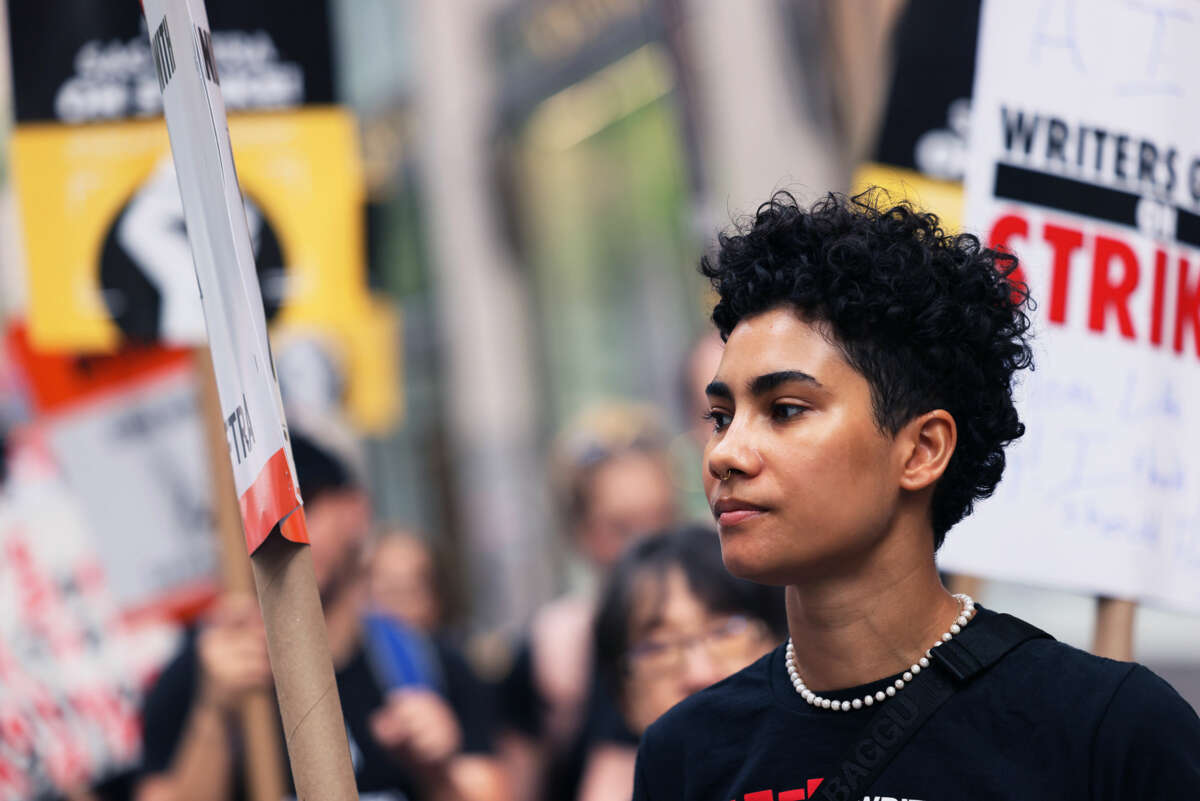
As Gen Zers face criticism for their approach to work, it’s no surprise that we favor unions. Gen Zers are the most pro-union generation today, with around two-thirds of young adults supporting unions. Unions are an important first step in making change, and the labor movement is a fundamental pillar of social justice movements that many young people align with. For a generation dissatisfied with the current culture of the workplace, labor unions are a great place to organize.
However, only about 4 percent of people aged 16 to 24 are unionized. This is largely because young people are disproportionately working in gig economies, temporary service sectors and retail jobs where unions have less influence. I’m confident that as we enter into other sectors, my generation will see more unionization. We already see encouraging signs of this shift in recent unionizing efforts — for example, at Starbucks, where young baristas are helping lead the charge. While attending Columbia University, I also witnessed vibrant national efforts to unionize graduate students, residential advisors, and other student workers.
Economist John Maynard Keynes’ predicted that by 2030, workers would spend around 15 hours working, while devoting the rest to arts, community and leisure.
As a young person, I’m optimistic that with unions and cultural shifts, our relationship with labor can undergo a much-needed change. Gen Z is prioritizing dignity, flexibility and balance — and hopefully a culture that demands endless hours of “grinding” to survive is a thing of the past.
My generation is popularizing phrases like “I don’t dream of labor” in response to questions about “dream jobs.” Even though these are often said as half jokes, half-truths, I think there’s something more to it. For many, the demand for remote/hybrid work and a four-day work week is to create more time for community, leisure, art, etc. This is not a new idea, either. Economist John Maynard Keynes’ predicted that by 2030, workers would spend around 15 hours working, while devoting the rest to arts, community and leisure. Socialist writer William Morris also had a similar vision of a 20-hour work week, filled with pleasurable and fulfilling work. Maybe Gen Z isn’t too far off from these ideals of embracing different ways of organizing labor.
The job market presents many new challenges for the newest generation of workers. However, Gen Z is embracing unions and coming up with new ideals and standards that are pushing against workplace norms. Is Gen Z laying the seeds for even more radical approaches to work in the future? Only time will tell, but I’m excited to be a part of a generation that is speaking out and harnessing our labor to shift our relationships with working.
An urgent fundraising appeal: 4 Days to raise $30,000
Thank you for reading Truthout today. We have a brief message before you go —
Unfortunately, donations are down for Truthout at a time when media is under immense pressure. Trump is arresting journalists, Big Tech is censoring independent news, and economic conditions for media have been worsening for years.
Simultaneously, movement media is vital in the fight against Trump’s authoritarian reign. Our mandate to tell the truth, share strategies for resistance, and speak against fascism is ever more urgent in this deluge of political censorship. Yet, we are struggling to meet our publishing costs when our work is so urgently needed.
If you can support Truthout with a one-time or monthly donation, you will make a significant impact on our work. Please give today during our fundraiser (4 days left).