Honest, paywall-free news is rare. Please support our boldly independent journalism with a donation of any size.
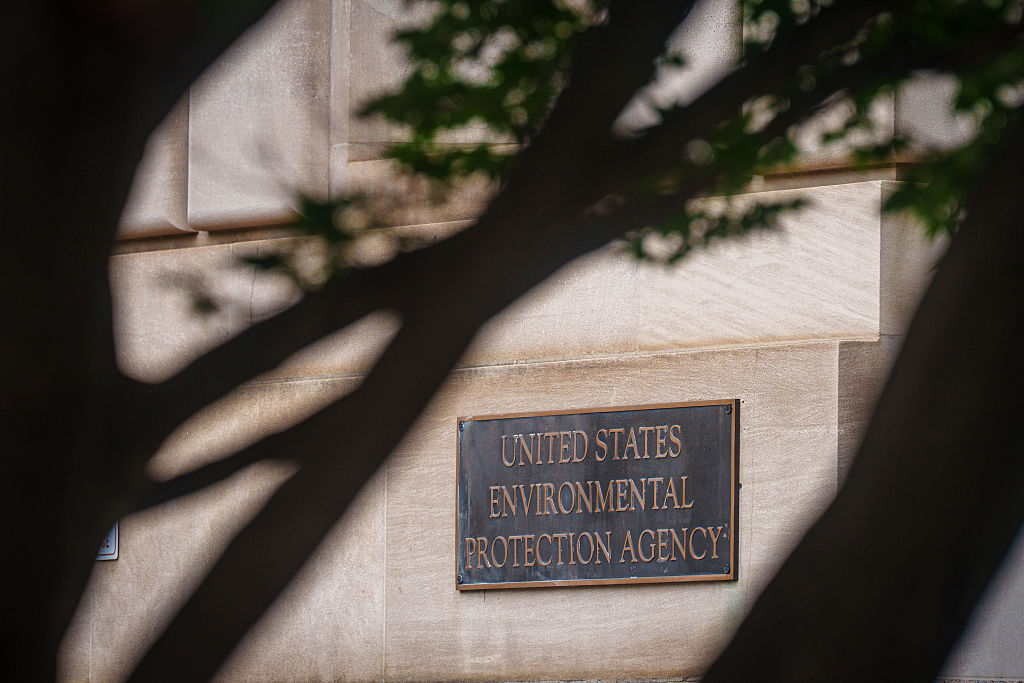
The U.S. Environmental Protection Agency (EPA) is proposing a rollback of certain Biden-era regulations that determine how the agency evaluates chemicals — a move it says will speed innovation. Critics argue the plan weakens safeguards to protect people from toxic exposures.
The EPA on Monday released proposed changes to the Toxic Substances Control Act (TSCA) that would remove amendments made in 2024 under the Biden administration. TSCA is a federal law under which the EPA evaluates chemicals to make sure human and environmental health will be protected before chemicals are put into the marketplace. The proposed changes include removing the 2024 amendment that required the agency to consider every use and exposure route of a chemical when evaluating risk.
In its explanation, the EPA wrote that the 2024 amendment could “negatively impact EPA’s ability to complete risk evaluations in a timely manner” and added that the agency should have discretion in deciding which “conditions of use, exposure routes and exposure pathways it will consider in risk evaluation,” a move that would allow the EPA to exclude some uses of a chemical from its reviews.
This proposed change ignores that people are often exposed to the same chemical from different sources, said Maria Doa, senior director of chemicals policy for the nonprofit Environmental Defense Fund. “If you live in a community and there’s a facility nearby releasing a chemical into the air … and you are exposed to the same chemical from a product that you use at home, your body doesn’t treat these exposures differently,” she said.
“What happens is they would regulate the one use and not the other. But if you look at the combination, they both contribute to your exposure,” Doa added.
Other proposed changes include scaling back how much information manufacturers need to provide for a proposed chemical; considering personal protection and safety equipment use when evaluating workplace chemical risks; and allowing the agency to determine if certain uses of a chemical carry unreasonable risks instead of making a single risk judgment based on all of the chemical’s uses — the latter approach negatively impacts technological innovation and businesses, according to the proposed rule change.
Doa said these changes are “all coordinated in order to lower what they characterize as exposures and risk.”
EPA administrator Lee Zeldin touted the changes as “a clear, predictable, commonsense approach that’s grounded in the law and the science” in an accompanying statement.
“This work is yet another example of how we can and will protect human health and the environment while allowing manufacturing and industrial sectors to thrive,” he said.
Evidence of Industry Influence
The EPA has made multiple environmental rollbacks in the first few months of the Trump administration that appease the industries the agency regulates. The proposed TSCA changes are in line with suggestions from the National Association of Manufacturers’ “wishlist” sent to the Trump administration last December.
Last week, The New Lede reported that top EPA officials are frequently meeting with lobbyists from the chemical, plastic, agricultural and energy industries and mostly shutting out health and environmental groups.
The findings were based on the calendars of Nancy Beck, the EPA’s principal deputy assistant administrator in the Office of Chemical Safety and Pollution Prevention, and Lynn Ann Dekleva, the deputy assistant administrator of the same EPA office. Both previously worked at the American Chemistry Council — which represents chemical manufacturers and praised the proposed changes in a statement.
“By revisiting provisions that created unnecessary complexity, confusion and uncertainty, EPA is taking steps to ensure that TSCA risk evaluations incorporate the best available and most recent science by adequately considering relevant exposures and condition of use information to inform decision-making,” said Kimberly Wise White, the council’s vice president of regulatory and scientific affairs.
The EPA is accepting public comment on the proposed changes for the next month.
Press freedom is under attack
As Trump cracks down on political speech, independent media is increasingly necessary.
Truthout produces reporting you won’t see in the mainstream: journalism from the frontlines of global conflict, interviews with grassroots movement leaders, high-quality legal analysis and more.
Our work is possible thanks to reader support. Help Truthout catalyze change and social justice — make a tax-deductible monthly or one-time donation today.