Truthout is an indispensable resource for activists, movement leaders and workers everywhere. Please make this work possible with a quick donation.
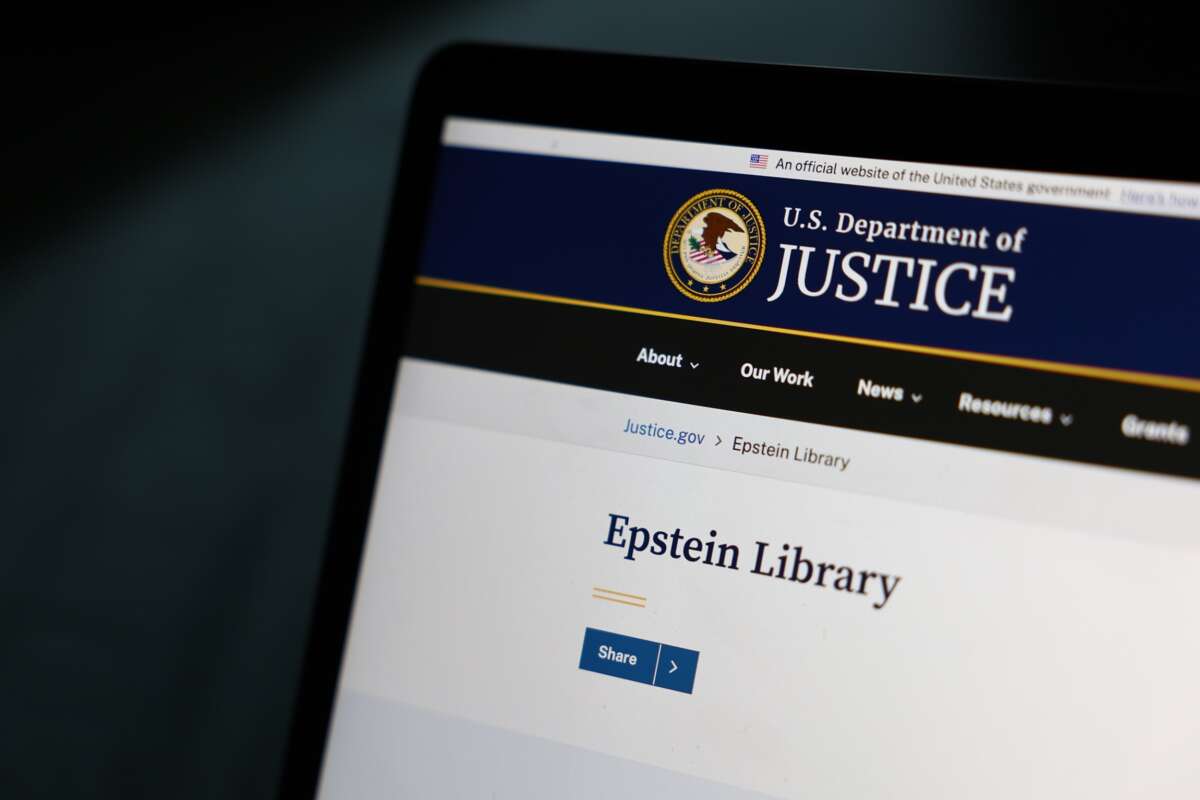
Several members of Congress are expected this week to review hundreds, if not thousands, of files relating to disgraced financier and accused child sex trafficker Jeffrey Epstein, amid claims that files are being improperly redacted and that victims’ names have been wrongly released to the public.
The Epstein Files Transparency Act — which passed last fall after considerable opposition from President Donald Trump, who campaigned to his advantage on releasing the files — required “all unclassified records, documents, communications, and investigative materials” in the case to be released two months ago. Yet millions of files have not been released, raising further doubt about the administration’s supposed commitment to transparency.
Meanwhile, many of the files within the latest batch of documents to be released improperly include the names and images of dozens of survivors of Epstein’s crimes. Lawyers for the victims say that as many as 100 people have had their lives “turned upside down” as a result of the Department of Justice’s (DOJ) impropriety.
In other examples, it appears that names that were mandated to be made public by the Epstein Transparency Files Act are still being blocked out. The act specifically stipulates that a person’s name cannot be redacted to protect them from embarrassment or reputational harm — but multiple names appear to have been redacted for that purpose.
Rep. Ro Khanna (D-California), who co-authored the bipartisan law alongside Rep. Thomas Massie (R-Kentucky), shared an example in which a person sent an email to Epstein describing, in extremely disturbing terms, the attributes of a child who had “just arrived.” The name of the person who sent the email was redacted in the DOJ’s latest file release.
“Concealing the reputations of these powerful men is a blatant violation of the Epstein Transparency Act we passed,” Khanna wrote on Facebook.
Massie also expressed his discontent with the administration’s actions.
“Where are the rest of the documents? Why did they release victims’ names? They took extra time, they said, to be safe, and what are these redactions?” Massie said in a CNN interview this weekend.
Attorney General Pam Bondi “has no credibility on this,” Massie added, noting that Bondi had previously claimed files were on her desk before flipping positions, saying there was nothing new worth making public last year.
Several other members of Congress have complained about these issues. Earlier this month, Rep. Jamie Raskin (D-Maryland), the ranking Democratic member on the House Judiciary Committee, requested that the DOJ allow him and other lawmakers to view unredacted versions of the files the department has made public.
“We seek to ensure that your redactions comply with the Act’s requirement that materials be withheld only in narrow circumstances, such as protecting victims’ personally identifiable information, and not on the basis of “embarrassment, reputational harm, or political sensitivity, including to any government official, public figure, or foreign dignitary,” Raskin wrote.
The DOJ appears to have relented to that request, allowing lawmakers, starting this week, to view unredacted versions of the files that have been made public. The agreement requires those members of Congress to give the department 24 hours notice. They cannot bring in electronic recording devices, but will be allowed to take handwritten notes while viewing the files.
An urgent fundraising appeal: 6 Days to raise $41,000
Truthout is one of only a few platforms for justice-oriented, grassroots journalism. Today, we face an existential threat.
Due to Google’s launch of AI search, we’ve seen a drastic plunge in our site traffic and, as a result, our revenue. We lost 15 percent of our readership overnight. This was a readership we painstakingly built over decades, and it vanished because Google chose corporate greed over a healthy democracy.
We are fundraising right now to meet our basic operating expenses. If you can support Truthout with a one-time or monthly donation, you will make a significant impact on our work. Anything you can do makes a difference — we appreciate your support.