Did you know that Truthout is a nonprofit and independently funded by readers like you? If you value what we do, please support our work with a donation.
The Canadian government on Monday announced plans to send aid to Cuba, which is currently being squeezed economically by a US oil embargo.
As reported by the Associated Press, Canadian Foreign Minister Anita Anand revealed that the government is “preparing a plan to assist,” adding that “we are not prepared at this point to provide any details” of what it will entail.
A Canadian aid package to Cuba would be the latest rebuff to US foreign policy. The two long-time allies have been at odds since President Donald Trump took office last year and slapped hefty tariffs on Canadian products, while also vowing to make the country into the “51st state” of the US.
Canada wouldn’t be the first US ally to step up help for Cuba, as Mexico earlier this month sent two ships loaded with more than 2,000 tons of goods and food to the island nation.
The shipments to Cuba were aimed at easing the humanitarian crisis intensified by the Trump administration’s oil embargo, which began shortly after the administration invaded Venezuela and abducted President Nicolás Maduro in January.
Trump has vowed to slap tariffs on any country that sends oil to Cuba, although the US Supreme Court’s ruling last week slapping down his powers to unilaterally enact tariffs through the International Emergency Economic Powers Act has potentially neutered that threat.
Earlier this month, a group of United Nations human rights experts called the Trump blockade of Cuba “a serious violation of international law and a grave threat to a democratic and equitable international order,” and “an extreme form of unilateral economic coercion with extraterritorial effects.”
Medea Benjamin, co-founder of the anti-war group CodePink, traveled to Cuba recently and spoke to local residents who described the devastating impact of the oil blockade.
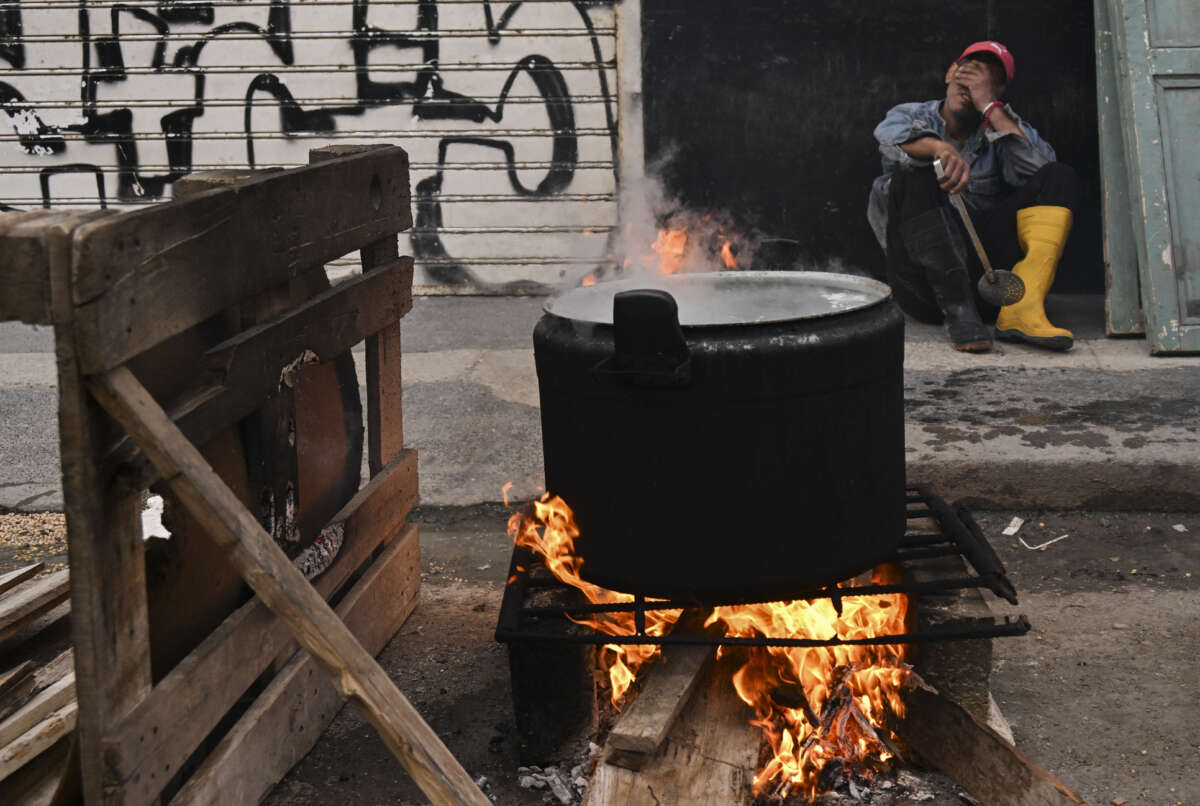
“With no gasoline, buses don’t run, so we can’t get to work,” Marta Jiménez, a hairdresser from Holguín, told Benjamin. “We have electricity only three to six hours a day. There’s no gas for cooking, so we’re burning wood and charcoal in our apartments. It’s like going back 100 years.”
An important fundraising appeal: 8 Days to raise $44,000
Truthout is one of only a few platforms for justice-oriented, grassroots journalism. Today, as political censorship from the right intensifies, we have no choice but to ask for your help.
We are fundraising right now to cover our basic operating expenses. If you can support Truthout with a one-time or monthly donation, you will make a significant impact on our work. Anything you can do makes a difference — we appreciate your support.