Truthout
Europe

|
Free to Eat Whatever You Want
Europe is not perfect, but itu2019s several steps ahead of us when it comes to food standards.

|
Feminist Party Scores First Victory in EU Election
For the first time ever, a candidate attached to an out-and-out “feminist” political party has been elected to serve on the European Parliament.

“Fewer! Fewer! Fewer!” A Step Too Far for the Ultra-Right in the Netherlands?
The acceptance of austerity by most political parties and the general drift to the right has produced fertile ground for far right-parties to take root, and raised the danger …
The Political Rebellion in Eastern Ukraine
Ukraine remains a country subject to national oppression by virtue of its subordinate economic and political status in Europe.

|
With Friends Like the IMF and EU, Ukraine Doesn’t Need Enemies
If they are fortunate enough to avoid war, Ukrainians may be in for an unpleasant surprise as their current and even soon-to-be-elected leaders negotiate their economic future with their …
|
Looking Back on Easter 2014 – And Forward to Easter Next
The vast majority of our leaders and lawmakers do not yet seem to understand that national interest can no longer be at cross-purposes with planetary interest.
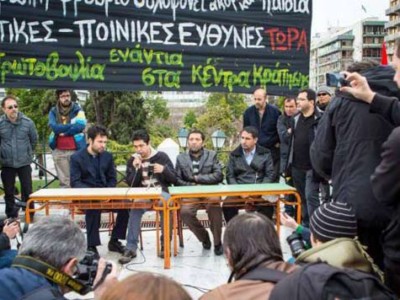
The EU Presidency and the Bottom of the Aegean Sea
While there is a growing ideological intimacy between centrist-right and extreme-right parties throughout Europe, the brutal treatment of migrants has been particularly egregious of late in Greece.
|
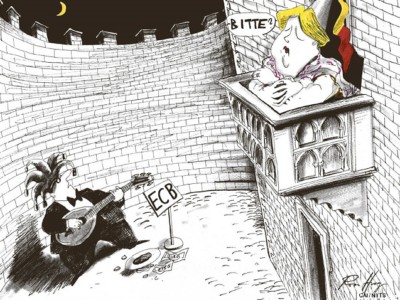
In Europe, a Repudiation of Austerity Policies
Paul Krugman: The European Central Bank's interest rate cut is a repudiation of the nascent triumphalism of Europe's austerians.

|
The Facts Are in: Austerity Politics Doesn’t Work
From England's double-dip recession to Portugal's spiking unemployment, there is now conclusive evidence of the complete failure of austerity.
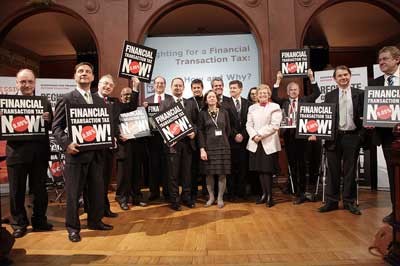
European Progress Toward a Financial Transactions Tax
Federal election results virtually have assured that Germany will adopt a financial transactions tax. Where Germany leads, the rest of the EU is likely to follow, notwithstanding UK resistance.