Truthout is a vital news source and a living history of political struggle. If you think our work is valuable, support us with a donation of any size.
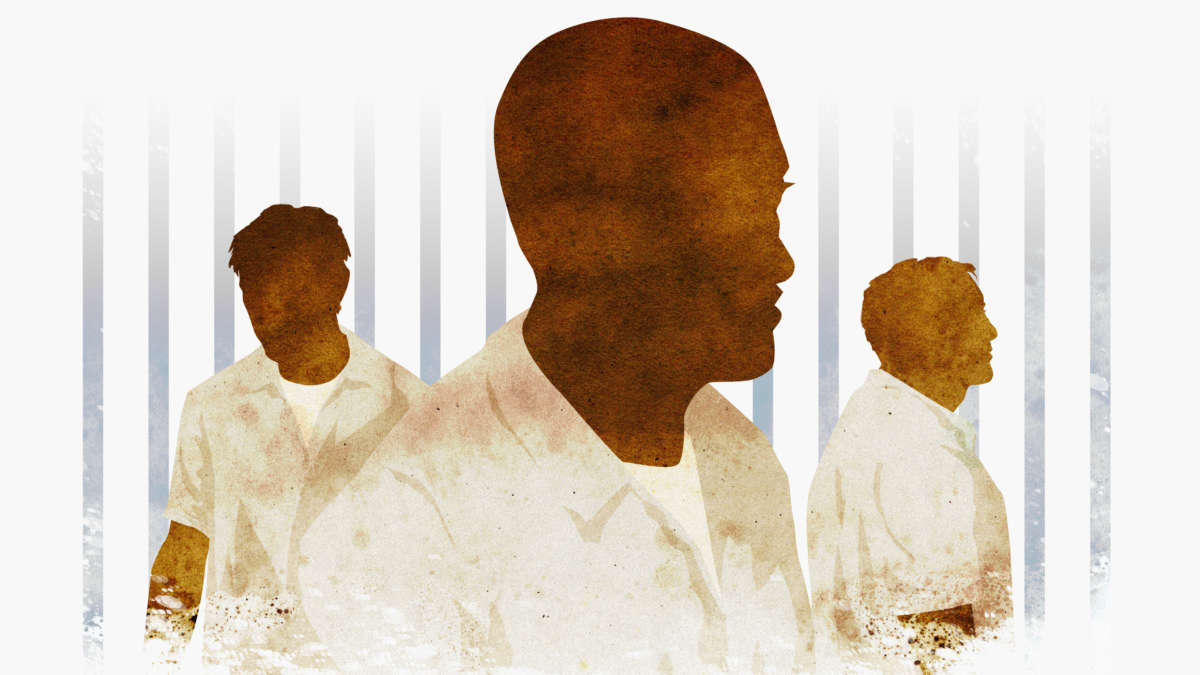
The Free Alabama Movement (FAM), a group of incarcerated people and supporters who were involved in organizing the famed prison strikes of 2016 and 2018, plans to start off the new year right. For these activists, that means a statewide “30-day blackout” prison strike and boycott that will begin on or around the New Year, incarcerated FAM member Swift Justice told Truthout. He says he hopes the push will inspire actions on a national scale to reduce prison populations and improve desolate prison conditions.
“Nobody is going to come and save us from this,” he said, referring to injustice and abuse behind bars. “So the simple fact is, we got to care and if we don’t care, nobody else is going to care.”
In a press release, Free Alabama Movement called for a statewide work strike on all prison labor, which it wrote “amounts to slavery.” It also called for a boycott of prison services companies that profit off the exploitation of incarcerated peoples’ families through price gouging, “made possible through their monopoly contracts with the government.”
An average full-time worker incarcerated in Alabama prisons may make $40 per month, according to Swift, then the funds often quickly circulate back into the Alabama Department of Corrections (ADOC) price-gouging commissary. A pack of Newport cigarettes costs just over $5 in Alabama outside of prison; the same product costs over $11 behind bars.
While the scope of the upcoming actions is unclear, Swift said some people incarcerated on Alabama’s death row and in administrative segregation — known as solitary confinement — will go on hunger strike in response to FAM’s call.
According to FAM, the ADOC is in “the midst of a full-fledged humanitarian crisis,” and it claims state leaders aren’t doing enough to preserve and protect incarcerated people’s lives. As of December 18, there were nearly 1,800 COVID-19 infections and 50 deaths within the Alabama prison system, likely an underestimation due to low testing rates. More than 250,000 incarcerated people in the United States have contracted the virus, higher than the number of infections in entire countries, including Japan, Venezuela and Norway.
Accordingly, FAM demands that the ADOC immediately reduce its population from around 15,300 to its intended capacity level, which the Department of Justice (DOJ) estimates is 9,882, to prevent the spread of the virus. Other strike demands — such as the creation of an excessive force database of employees, an overturning of the statewide legal loophole that allows for slavery and the implementation of rehabilitative programs — seek to ameliorate longstanding grievances.
This strike will follow a lawsuit that was filed by the DOJ against the State of Alabama and ADOC on December 10, which alleged violations of the Eighth and Fourteenth Amendments by “… failing to prevent prisoner-on-prisoner violence and sexual abuse, by failing to protect prisoners from the use of excessive force by security staff, and by failing to provide safe conditions of confinement…” The DOJ reported a culture of retaliation against incarcerated people, echoing allegations voiced in a lawsuit filed in September by incarcerated activist Kinetik Justice, who claimed he faced prolonged solitary confinement for speaking out against gambling rings run by staff at Limestone Correctional Facility.
In 2015, following an investigation by Equal Justice Initiative, the DOJ reached a settlement with Alabama over allegations of systemic sexual abuse by correctional officers at Julia Tutwiler Prison for Women. The DOJ began its investigation into men’s prisons a year later, after two riots and a separate FAM-led strike. In 2019, the DOJ released a damning report that documented a pattern of unconstitutional practices at Alabama facilities for men. The DOJ’s recent lawsuit claims that ADOC facilities are more crowded today than in 2016, homicides remain the highest in the country’s prison system and staffing levels are still dangerously low. In short, little has improved in four years.
Swift Justice credits the Free Alabama Movement and other organizations led by incarcerated people, like Unheard Voices OTCJ and Convicts for Peace, with shining a spotlight on horrific conditions in Alabama.
“All the claims that have been going on and are being exposed by the Department of Justice in this lawsuit are actually allegations that we’ve been bringing long before the Department of Justice came in,” he said. “Without these organizations and without these brothers on the inside who have been doing their work to actually, you know, expose it, I don’t believe the Department of Justice actually would have gotten a clear picture of what’s going on.”
In a response to the DOJ’s lawsuit, the ADOC said it will “fervently defend” itself, accused the agency of “public posturing” and doubled down on its plan to construct three additional men’s facilities.
Formerly incarcerated women and women with family behind bars have spoken out and organized car rallies against Alabama’s construction plans. Building new prisons runs counter to the rising public demands to defund and abolish the U.S. carceral system, the largest system of confinement in the world. It also runs counter to ongoing demands to dramatically decrease prison populations amid the pandemic. Within the first several months of the pandemic, incarcerated people across the country organized over 100 rebellions behind bars, many of which demanded mass releases to prevent the spread of the virus.
While FAM’s strike outlines concrete demands, Swift Justice wants to see a larger cultural shift of compassion toward incarcerated people, too, and ultimately for the country to cease its dependency on a prison system that targets poor, Black and Brown people.
“We are human and we need to be seen that way,” he said.
An important fundraising appeal: We still need to raise $9,000
Truthout is one of only a few platforms for justice-oriented, grassroots journalism. Today, as political censorship from the right intensifies, we have no choice but to ask for your help.
We are fundraising right now to cover our basic operating expenses. If you can support Truthout with a one-time or monthly donation, you will make a significant impact on our work. Anything you can do makes a difference — we appreciate your support.