Truthout is a vital news source and a living history of political struggle. If you think our work is valuable, support us with a donation of any size.
Over the last two weeks, employees with the state’s 24/7 call center spent days, evenings and weekends answering phone call after call from West Virginians in need of groceries while food stamps were delayed.
“It’s a little daunting when you come in every morning and there’s 60 voicemails and every one of them needs something,” said Margaret O’Neal, president and CPO of the United Way of Central West Virginia, which operates West Virginia’s 211 helpline. “In this particular case, those needs were almost always food.”
More than 2,600 calls came into 211 call centers — almost all for food — since the federal government shutdown began on Nov. 1 and benefits from the Supplemental Nutrition Assistance Program weren’t delivered to about 275,000 West Virginia residents who rely on the program.
It’s a 1,680% increase from the number of calls 211 received last year in the same time frame, according to call center data.
There were 2,000 text messages to 211, as well.
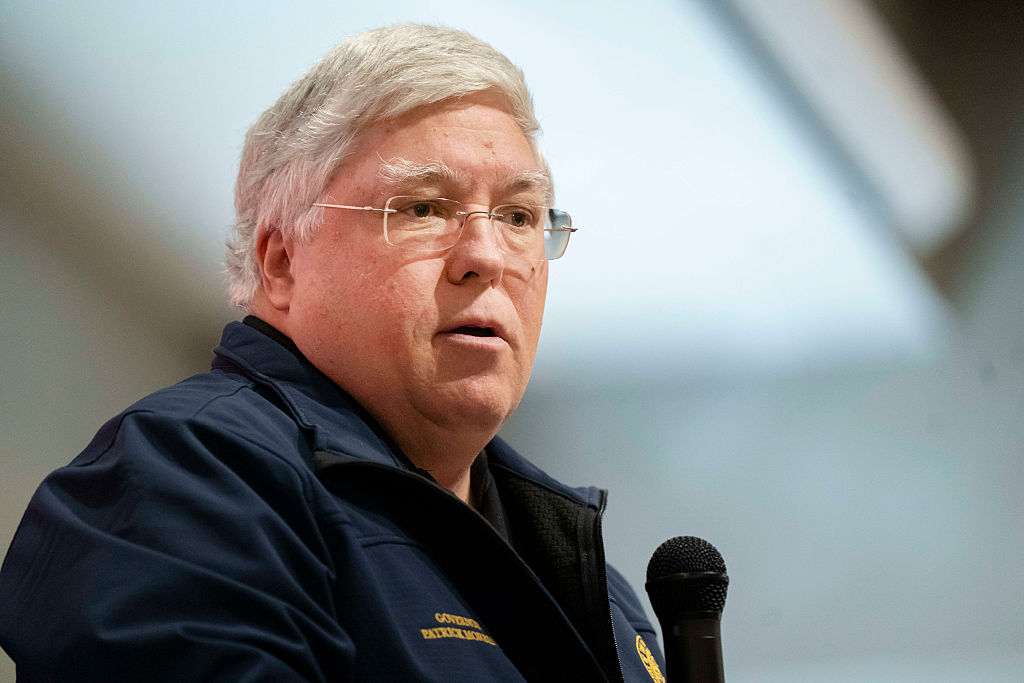
During the drawn-out saga over SNAP, Gov. Patrick Morrisey continuously directed people in need to call 211 to get connected with a local food pantry. The state’s charitable food network experienced skyrocketing demand; some food pantries in the southern part of West Virginia saw a 1,800% increase in the number of families in need.
O’Neal said 211 call specialists around the state “were the boots on the ground” talking to people every single day. Sometimes phone lines were overloaded, she said, but call specialists kept trying to call people back. The organization said that all call were answered.
“We found ourselves delivering food a number of times over the last two weeks,” O’Neal said.
“Seniors would call and talk to the call specialist, and they would express deep concern of no food and no transportation and no way to kind of see the end of the crisis.”
Brian Aluise, community impact associate with the United Way of Central West Virginia, said someone called 211 trying to get food to 70 seniors in apartment buildings in Charleston couldn’t get to food handouts.
“A lot of them are homebound … Went over there and distributed, like 150 meals to folks there in the community,” Aluise said. “211 is not only great for referring folks to resources, but also identifying big unmet needs for large populations and then trying to address those issues as they arise.”
There were follow-up calls with individuals to make sure they received food, O’Neal said.
She explained that it was all hands on deck the last few weeks to meet the need while operating on “a shoestring” budget.
“We’re a little tired and a little emotional, and all the things that go with disaster,” she said.
Morrisey handed out around $13 million in state funding to the state’s food banks.
The United Way receives $200,000 through the state’s portion of Temporary Assistance for Needy Families federal funding.
West Virginians received full SNAP benefits Thursday, Morrisey said, after Congress approved legislation reopening the federal government, ending the longest federal government shutdown in United States history.
An important fundraising appeal: 24 Hours to raise $18,000
Truthout is one of only a few platforms for justice-oriented, grassroots journalism. Today, as political censorship from the right intensifies, we have no choice but to ask for your help.
We are fundraising right now to cover our basic operating expenses. If you can support Truthout with a one-time or monthly donation, you will make a significant impact on our work. Anything you can do makes a difference — we appreciate your support.