Truthout
Public Health

|
The Obamacare Shock
Paul Krugman explains why the most shocking thing about Obamacare might be its success.

|
Another Government Is Necessary: The People Can Rule Better Than the Elites
On Earth Day, a new alternative government, the Green Shadow Cabinet, was announced. Its over 80 members are leaders in their fields, from medicine to art to activism, and …
|
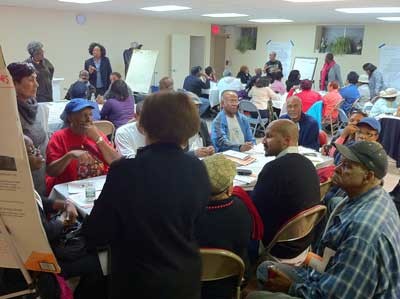
Injecting Democracy Into Public Spending
Participatory budgeting (PB) transfers decision-making power from elected officials to everyday people.

|
Dr. Ben Carson: Great Surgeon but a Bad Icon for the Political Collective
Dr. Ben Carson is beloved by conservatives, but should he stick to what he knows in the operating room.
Two Years On, Fukushima Raises Many Questions, Provides One Clear Answer
A report from a conference of nuclear scientists takes a look at what's missing from investigations into Fukushima.

Austerity Can Kill You – Literally
A major new study published in The Lancet makes clear that austerity policies adopted in the European south have produced health care crises.

|
Next Stop, a Ban on Nuclear Weapons?
A recent international conference could be a strong takeoff point leading to an eventual ban on nuclear weapons.
Our Bodies, Our Stories: Reproductive Health Behind Bars
From shackling to sterilization, thousands of incarcerated people are struggling to maintain control over their own reproductive health.
Stupidest Budget Cuts Ever – or, Why Cutting Contraception Is Not Conservative
The sequester's 86 million dollars in cuts to family planning is especially stupid when we already have the tools to make most unintended pregnancy and abortion obsolete.
Salt Sugar Fat: NY Times Reporter Michael Moss on How the Food Giants Hooked America on Junk Food
Every year food companies convince most of us to ingest about twice the recommended amount of salt, plus loads of sugar and fat.