Did you know that Truthout is a nonprofit and independently funded by readers like you? If you value what we do, please support our work with a donation.
 Source: BestPsychologyDegrees.org
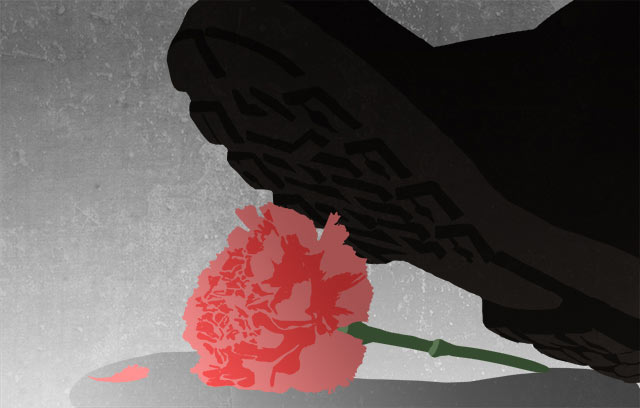
The Psychological Effects of Poverty
For the more than 40 million Americans in poverty, everyday life is a struggle — buying food, going to school, getting a job. And for a great many of them, what most people think of as simple tasks are also difficult. Let’s explore the picture of poverty in the U.S. and the psychological and physical toll it takes.
Poverty in the US
46.5 million
Americans who live below the poverty line
16 million
Children living in poverty
$11,490
2013 poverty line for a single person
That’s the equivalent of working full time and making only about $5.50 an hour, which is far below the minimum wage
Where it’s worst
Percentage of residents below poverty line by state
16%+
CA
OR
NV
AZ
NM
OK
TX
MO
AR
LA
MS
AL
KY
TN
GA
FL
SC
NC
WV
OH
MI
DC
13%-15.9%
WA
ID
MT
CO
SD
NE
KS
WI
IL
IN
PA
NY
RI
ME
11%-12.9%
UT
WY
ND
MN
IA
VA
DE
MA
VT
HI
Less than 11%
MD
NJ
CT
NH
AK
The Brain on Poverty
Researchers have determined that the mental strain placed on a poor person is immense, affecting their ability to do well in school, to succeed at work — even to pay bills on time.
13 points
Rough IQ drop caused by poverty
Why? While there’s much about the human mind scientists have yet to decode, we do know that mental processing is finite. It’s the reason you think less quickly at the end of a long day.
What does it mean? The limited brain power caused by poverty is likely to create a series of problems in handling everyday tasks. Poverty may affect things like:
- Awareness
- Decision making
- Memory
- Patience
- Focus
Stressed to Death
Adding to the reduced mental capacity brought on by poverty, the poor also have to navigate the rigors of everyday stress, most of which are made far worse by lack of income.
Top causes of stress for U.S. adults
Cause Factors
Work Co-worker tension, bosses, overload
Money Loss of job, reduced retirement, medical expenses
Health Health Crisis, terminal or chronic illness
Relationships Divorce, death of spouse, arguments with friends, loneliness
Poor nutrition Inadequate nutrition, caffeine, processed foods, refined sugars
Media overload Television, radio, Internet, email, social networking
Sleep deprivation Inability to release adrenaline and other stress hormones
3 in 4
Americans who regularly experience physical symptoms caused by stress
76%
People who cite work and money as their top causes of stress
Physical and psychological symptoms reported (% of those who reported physical or psychological symptoms who said they had the following symptoms)
Fatigue 51%
Headache 44%
Upset stomach 34%
Muscle tension 30%
Change in appetite 23%
Teeth grinding 17%
Change in sex drive 15%
Feeling dizzy 13%
Irritability or anger 50%
Feeling nervous 45%
Lack of energy 45%
Feeling as though you could cry 35%
SOURCES:
https://www.statisticbrain.com
https://www.census.gov
https://www.nccp.org
https://www.familiesusa.org
https://www.census.gov
https://www.theatlanticcities.com
25 Years of Truthout: An important fundraising appeal
This September, Truthout is celebrating 25 years of publication. For over two decades, we have been a trusted source for fiercely independent journalism thanks to readers like you.
As we look to the next 25 years, we have launched a special fundraising campaign. Looking to a sustainable future for our publication, we have a fundraising goal of $100,000 in the next 10 days.
We are asking for your support at this juncture because we face greater threats than ever before in our organizational history. Trump and his MAGA allies are determined to control the information ecosystem, and movement-based organizations are subject to dangerous censorship and scrutiny.
If you can support Truthout with a one-time or monthly donation, you will make a significant impact on our work and our legacy. Anything you can do makes a difference!