Several public health groups are suing to reverse a recent decision by the Centers for Disease Control and Prevention (CDC) to reduce the number of childhood vaccinations recommended by the agency, contending that the move was not based in science and that the advisers voting in favor of it were improperly selected.
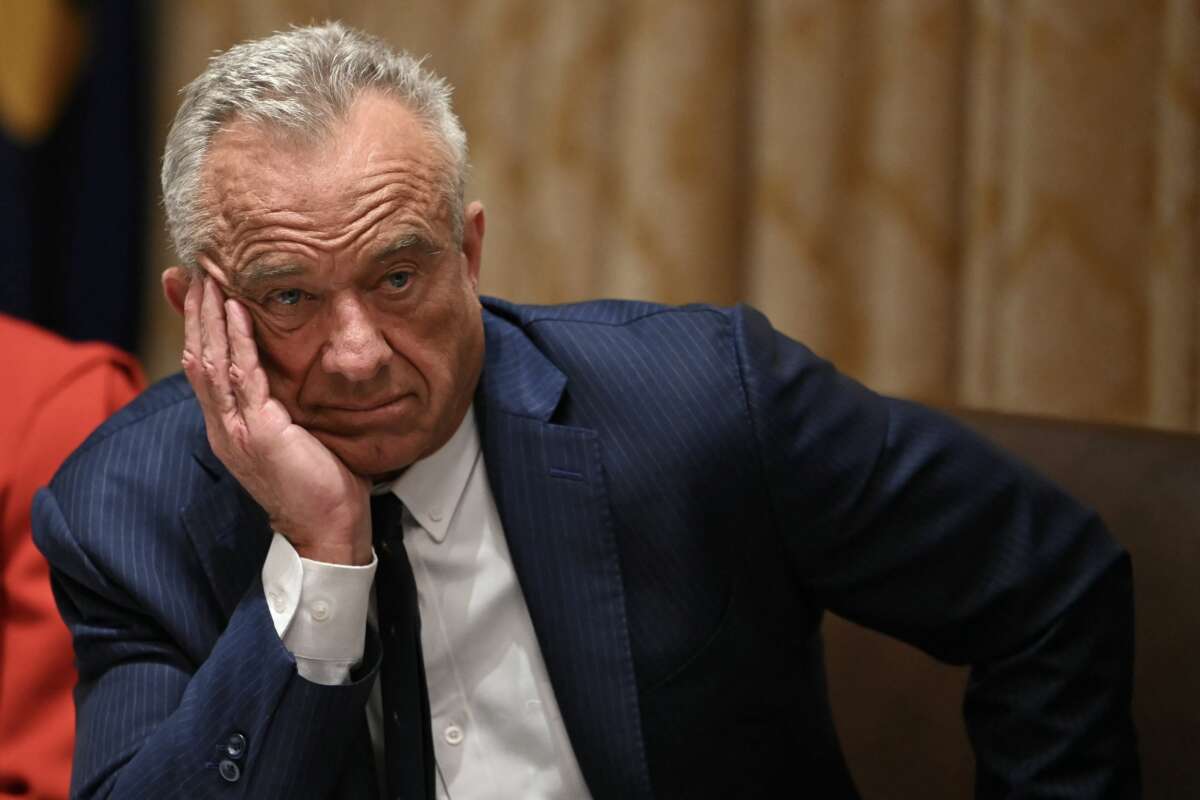
The lawsuit, filed in federal court within the state of Massachusetts, notes that the CDC made its decision based on recommendations from the Advisory Committee on Immunization Practices (ACIP). The plaintiffs in the case — which include the American Academy of Pediatrics, the American College of Physicians, the American Public Health Association, and three unidentified individuals — accuse Health and Human Services Secretary Robert F. Kennedy Jr., who has repeatedly peddled disinformation about vaccines, of “packing” the board with appointees harboring anti-vaccine views.
Early last year, Kennedy disbanded the ACIP panel and replaced almost all of its former members with anti-vaccine appointees. One new member of the ACIP board is Robert Malone, a biochemist who promoted disinformation and conspiracy theories during the COVID-19 pandemic, including falsely claiming that vaccines against the virus were ineffective and promoting unscientific remedies for the virus.
“Kennedy did not pick people with strong, current expertise in vaccines,” Dorit Reiss, a law professor at the University of California, San Francisco, told NPR shortly after new board members were selected, accurately predicting at the time that Kennedy was “setting up a committee that would be skeptical of vaccines, and possibly willing to implement an anti-vaccine agenda.”
After ACIP indeed voted to recommend the CDC change the childhood vaccine schedule, the agency made it official in early January, lowering the number of recommended vaccines that parents should seek out for their children from 17 to 11. Vaccines that were axed from the recommended list included hepatitis A, hepatitis B, meningococcal disease, rotavirus, influenza and respiratory syncytial virus (RSV). The new schedule also lessened the number of vaccine doses that were previously recommended to prevent human papillomavirus (HPV).
The CDC attempted to justify the move by presenting it as an attempt to align the U.S.’s vaccine schedules for children with those of several European nations, specifically citing Denmark’s schedule. But experts say changes based on that explanation are not scientifically sound, as separate countries have differing health needs and challenges.
“I do not think this makes sense scientifically. Public health is not one size fits all,” said Anders Hviid, an official in Denmark’s Statens Serum Institute. “It’s population-specific and dynamic. Denmark and the U.S. are two very different countries.”
The lawsuit from the U.S.-based public health organizations contends that changes to the vaccine schedule are both “harmful” and “unlawful.” It also describes Kennedy’s influence over the ACIP board as conniving, stating that his actions should result in the panel’s decision on children’s vaccines being reverted to the previous guidelines.
“Defendants have engaged in a pattern and practice of changing U.S. vaccine policy without consideration of the relevant factors or providing any reasoned explanation,” the complaint stated, adding that ACIP’s public deliberations on the matter “have served as a megaphone for spreading misinformation about immunization and infectious diseases that is directly harming the Plaintiffs and the American public.”
Polling shows a deep distrust of Kennedy among the American public. A KFF tracking poll published in October, for example, found that only 35 percent of Americans trust Kennedy to give reliable information on vaccines, while 69 percent said they trusted information from the American Academy of Pediatrics, one of the plaintiffs in this new lawsuit.
More recently, a Quinnipiac University poll published this month found Kennedy receiving a net -11-point grade, with only 39 percent of the American public approving of his job as head of HHS and 50 percent disapproving.
Press freedom is under attack
As Trump cracks down on political speech, independent media is increasingly necessary.
Truthout produces reporting you won’t see in the mainstream: journalism from the frontlines of global conflict, interviews with grassroots movement leaders, high-quality legal analysis and more.
Our work is possible thanks to reader support. Help Truthout catalyze change and social justice — make a tax-deductible monthly or one-time donation today.