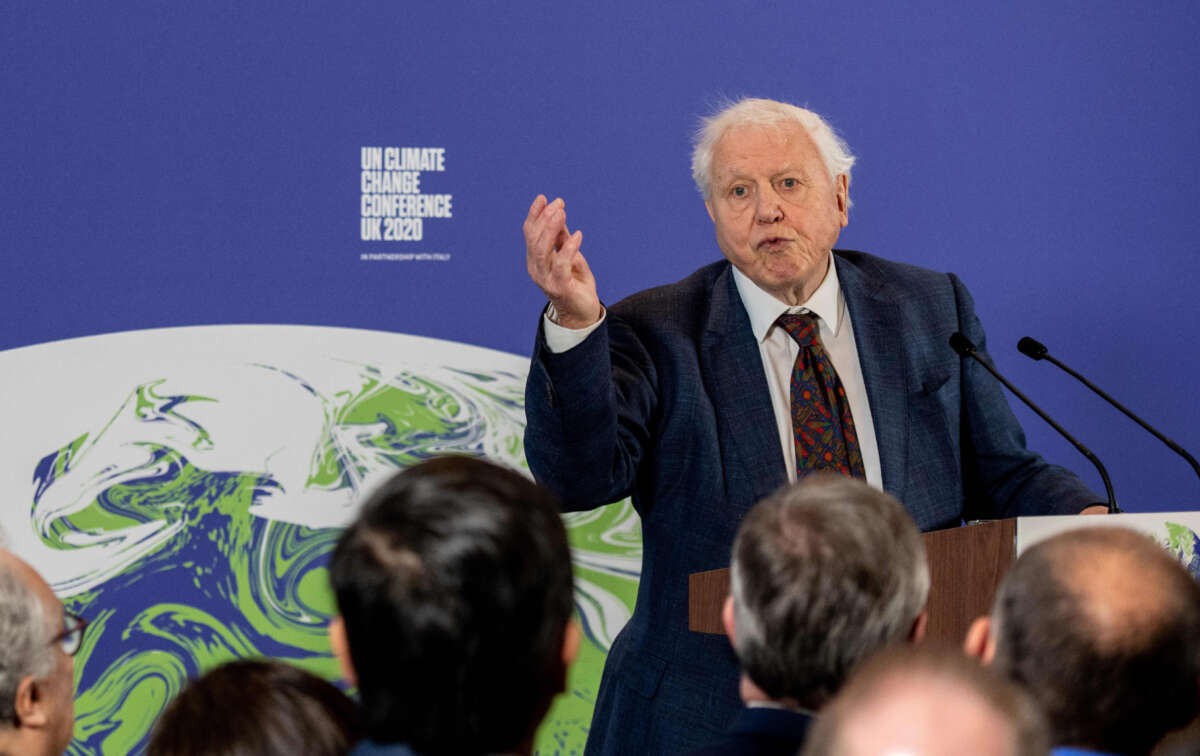
The British Broadcasting Corporation (BBC) will not air the last episode of a six-part documentary that focuses on wildlife on the British Isles, reportedly over fears that doing so would have upset conservative interests in the United Kingdom.
David Attenborough’s documentary on British wildlife will air its first five episodes on BBC One during primetime hours. But the final part of the series, which focuses on environmental issues and the decline of nature in the U.K. over the past several decades, will only be available on the BBC’s iPlayer streaming service.
In addition to noting how wildlife has dwindled over the years, the sixth episode will also feature discussions of “rewilding” — a movement to restore and protect natural processes in former wilderness areas — a concept that is controversial within the U.K.’s Conservative Party.
The network made the decision in part because of fears of “lobbying groups that are desperately hanging on to their dinosaurian ways,” one source familiar with the choice told The Guardian. Senior sources from the BBC also told the publication that the decision was made to quell potential critiques from conservative voices in the country.
Laura Howard, a producer of the program, which is entitled “Wild Isles,” suggested that worries over politics in the documentary were unfounded — asserting that the “facts” included in the entire docuseries “speak for themselves” outside of any political ideology.
“It is undeniable, we are incredibly nature-depleted. And I don’t think that that is political,” Howard said. “I think it’s just facts.”
The BBC insists that it is not censoring Attenborough’s documentary. Rather, according to one spokesperson discussing the matter, the sixth episode is considered to be a standalone documentary, unrelated to the first five parts, and thus is being placed elsewhere for viewing.
But critics say the last installment of Attenborough’s work, all of which was commissioned by the Royal Society for the Protection of Birds and the World Wildlife Fund, should air on television, the same as the other five parts of the program will do.
“For the BBC to censor [Attenborough], one of the nation’s most informed and trusted voices on the nature and climate emergencies is nothing short of an unforgivable dereliction of its duty to public service broadcasting,” said Caroline Lucas, a Green Party Member of Parliament.
“So the BBC is now effectively censoring the voice of nature David Attenborough on factual and vital content based on the potential reaction from Tory MPs and right-wing newspapers. These are truly dark days,” opined Liam Thorp, the political editor for Liverpool Echo.
Join us in defending the truth before it’s too late
The future of independent journalism is uncertain, and the consequences of losing it are too grave to ignore. To ensure Truthout remains safe, strong, and free, we need to raise $24,000 by the end of today. Every dollar raised goes directly toward the costs of producing news you can trust.
Please give what you can — because by supporting us with a tax-deductible donation, you’re not just preserving a source of news, you’re helping to safeguard what’s left of our democracy.